

If you've strolled through the centre of Dénia this week, you may have come across Numerous gray and white feathers scattered throughout streets and squares.
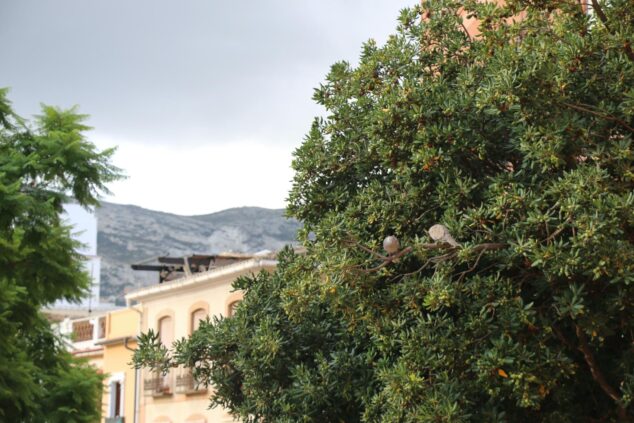
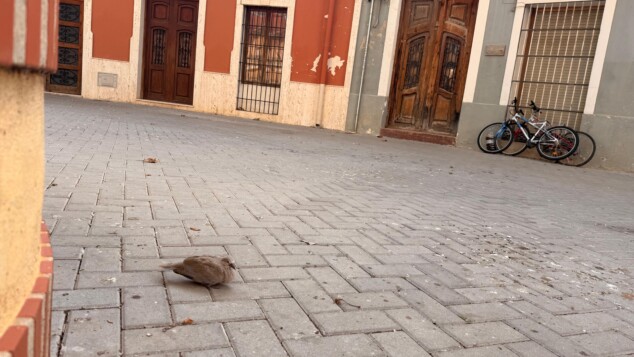
Turtledoves, pigeons, and sparrows are a common part of the city's urban landscape, but in recent days one image has been attracting particular attention: the repeated appearance of dead turtle doves.
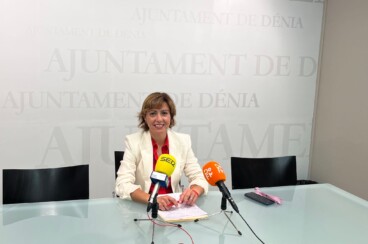
Given this situation, This media outlet has contacted the Councillor for the Environment of Dénia, Sandra Gertrúdix, after noting the appearance of numerous dead turtledoves throughout this week on Pare Pere street and Tenor Cortis square, in the center of Dénia.
The magnitude of the situation became especially clear when a municipal cleaning service worker told this media outlet that, In less than two hours, he had collected more than 15 dead turtledoves on Pare Pere StreetThe findings have been repeated for several days.
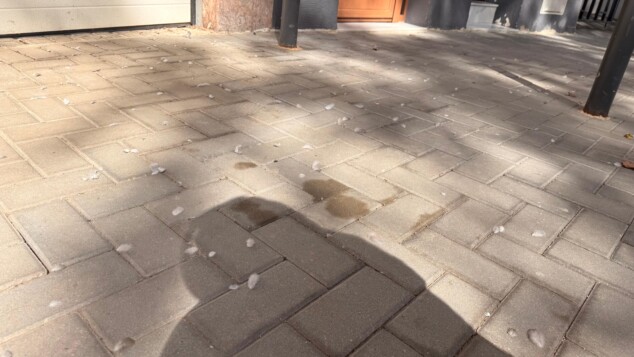
The Environment Ministry has reported the situation to the Local police and maintains contact with wildlife specialists. For the time being, The cause of death has not been confirmed, nor has poisoning been determined..
Green or bluish bread and possible traps
These incidents are compounded by an alert issued by Culture Sustainable DéniaThe association claims to have repeatedly found pieces of bread with greenish or bluish hues in parks, green areas and the port area.
It also points to the appearance of fine threads, hairs, and other materials that could become entangled in the birds' legsThe group claims to have documented, through photographs, a dead turtle dove in one of the areas where these possible baits appeared, as well as birds with serious leg injuries.
The association itself urges caution: The green or blue color of bread does not prove that it contains poison. and a relationship between these findings and the deaths cannot be established without the corresponding analyses.
Environment: "The police have been notified"
Sandra Gertrúdix explains that the Environment Department has been aware for months of warnings related to the mortality of these birds and has maintained contact with specialists, including Migres Foundation and those responsible for wildlife protection.
According to the councilwoman, possible causes such as drought, bacteria, or the condition of the water in a fountain were previously investigated. She points out that the checks carried out at that time... They did not detect bacteria that would allow the deaths to be attributed to that cause..
In response to the new warnings about possible baits, Gertrúdix assures that The local police have been warned to investigate the situation and be able to act if anyone is caught placing suspicious substances or food. Municipal services that work in parks and green spaces are also on alert.
The councilwoman also points out that the concern doesn't only affect the birds: If any toxic substance were found abandoned in a public place, it could pose a risk to dogs or other animals. that they came into contact with her.
Dénia is already implementing measures to control pigeons and doves
The situation comes after months of debate about the presence of these birds in the city. Public Health He had already demanded measures to prevent pigeons from entering the Municipal Market, while the City Council explained that the company in charge of pest control, Lokimic, carries out periodic captures of pigeons and doves.
Furthermore, the municipal regulations It prohibits feeding animals in public places. outside of authorized spaces and considers it a very serious offense to supply them with substances or food capable of causing serious physiological alterations or death.
What to do in the event of a possible bait
Sustainable Culture Dénia asks that special attention be paid to parks, gardens, the port, promenades, and areas where birds congregate. If you find food that looks strange, threads, fishing lines, or other suspicious items, they recommend:
- Photograph the find.
- Note the location, date, and time.
- Do not touch it or allow animals to approach.
- Notify the police or SEPRONA the 062.


There is a woman on Pare Pere street who dedicates herself to spraying mosquito repellent at pigeons, she chases them and sprays them, she also throws buckets of water with bleach, she throws the same mosquito repellent on her facade.
Well, I especially like pigeons, doves and sparrows, which I unfortunately see less and less of.
I like all birds and animals. I support ethical management if necessary; there are very effective sterilizing feeds for pigeons and doves that can reduce their population without having to capture or kill them. I would like to see our leaders adopt a more humane and sustainable approach to management.
Well, I personally proposed it to the city council, and they took it into account, coming up with proposals like installing feeders outside the city center with sterilizing feed, but the organic ones refused. The pigeons appeared in Denia about 10 years ago or more. At that time, there were two or three wandering around Denia. I mentioned it to the mayor at the time: if measures aren't taken immediately, this will turn into an uncontrollable plague. We can all coexist harmoniously, but we have to control it very well, otherwise we'll have seagulls, wild boars, etc. And unfortunately, some citizens don't understand how serious it is to feed the pigeons, firstly because they don't make the effort to find their own food, and secondly because their reproduction is completely disrupted.
In nearby areas, recent deaths of turtle doves due to Newcastle disease virus have been reported, so it is reasonable to think that an outbreak of this disease may be occurring in Denia at the moment.
Therefore, and if this is confirmed by the relevant analyses, the appearance of these corpses would have nothing to do with human actions harmful to the fauna.